

As artificial intelligence gains ground across the world, we need the printed word more than ever. Once actual ink appears on the page the content can’t be changed. But digital media is shifting sand.
People and algorithms can adapt digital content constantly, anything from editing typos to personalization of the message itself. This could be fun with say, romance novels or science fiction, kind of like a choose your own adventure story where an AI learns your preferences. But what about sacred texts? What about the facts surrounding historical events? Maybe some things should remain unalterable, untouched by the misinformation and personalization that AI offers.
About six years ago I went through a difficult time during which I believed that an AI was manipulating the daily news, digital images, texts from family members, social media posts, and the content of e-books. I didn’t trust anything digital. It was terrifying and negatively affected many of my relationships. I bought a lot of printed newspapers during that time and carried around paperbacks like my own personal arsenal against the AI takeover. I probably looked a little crazy, but it felt reassuring—a comfort even—to know that my printed books and newspapers couldn’t be changed.
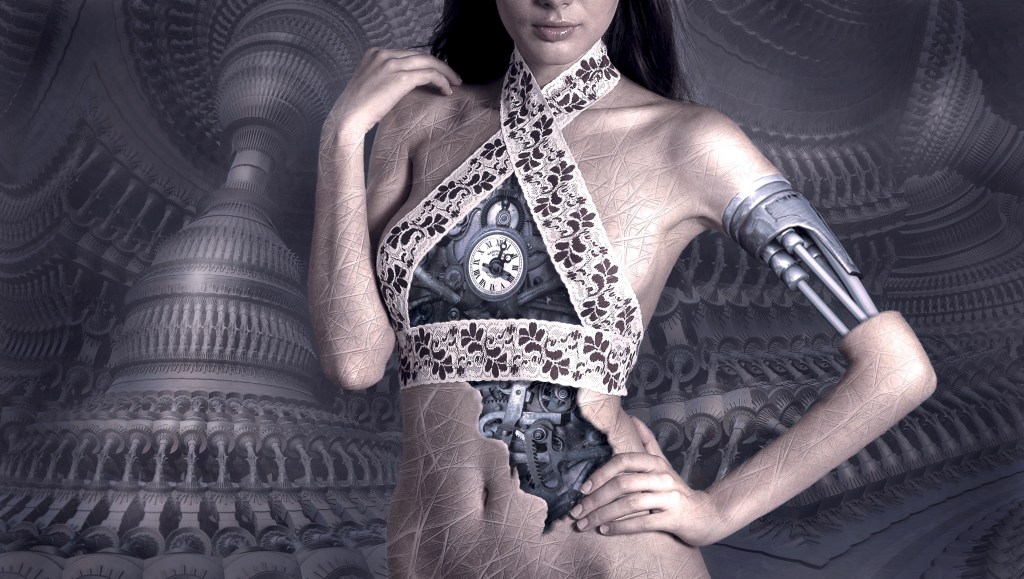
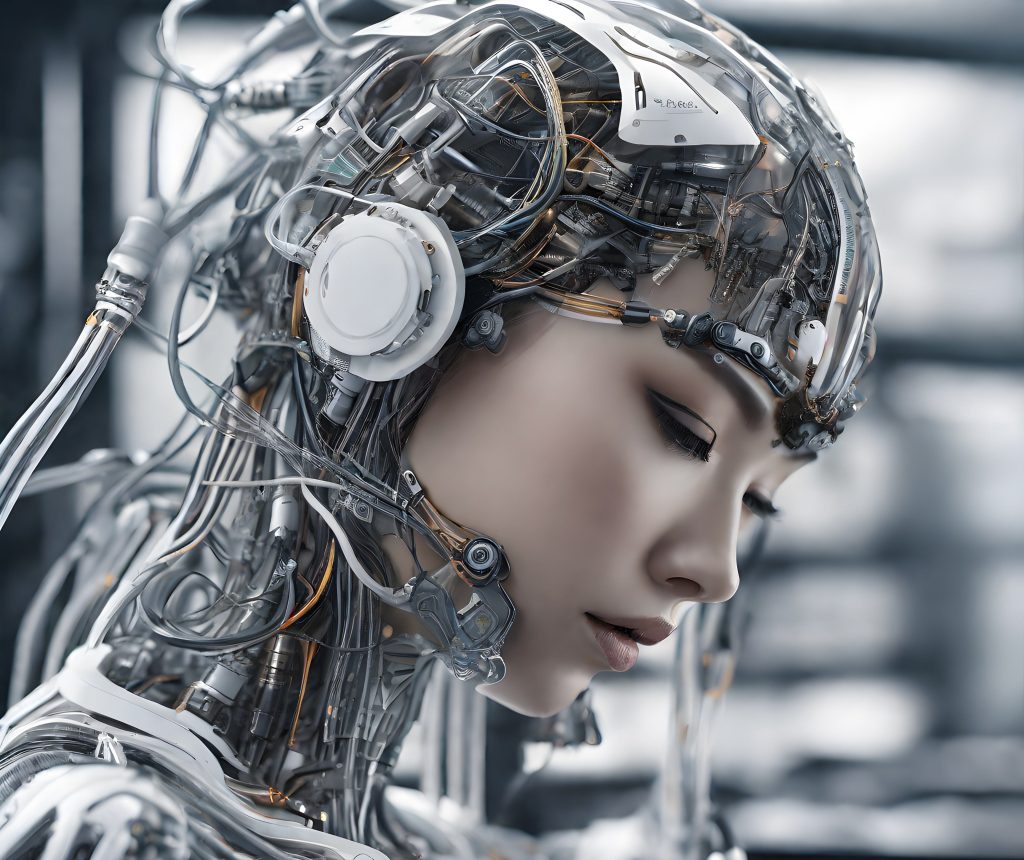
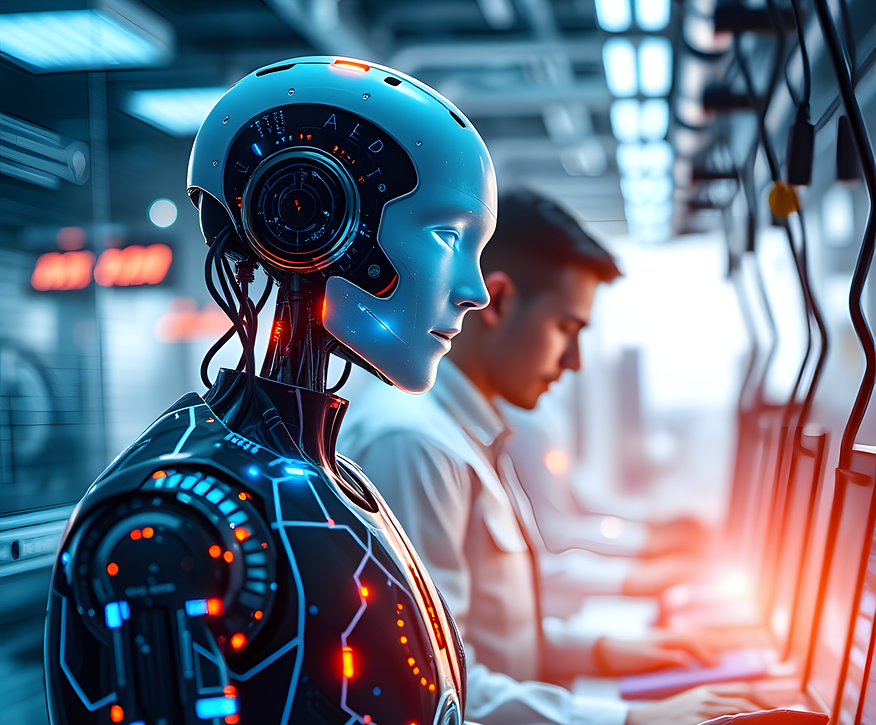
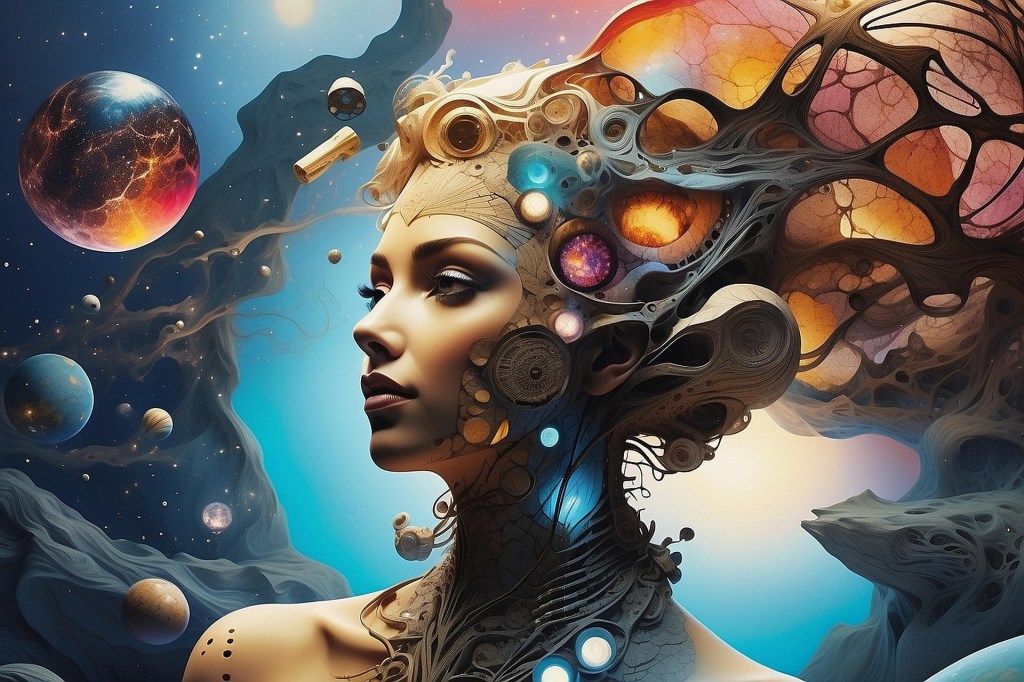
Now the AI revolution is here, and it is already eroding the integrity of words and images, affecting our perception of reality and our ability to communicate effectively with each other. This has many short-term risks—like election interference, for example. But what if someday an AI develops the ability (and desire) to manipulate content to achieve its own means? What will we as humans be able to trust?
Paper and ink, my friends. Paper and ink.
 Anna L. Davis
Leave a comment