
I’m on a personal transformation journey from paranoid technophobe to occasional AI user, and this was a huge week for me.
We went to a Super Bowl party with friends, and my husband requested that I make a beef enchilada casserole. So I did something new and scary–I asked Google Gemini for a recipe. It came out great! Wanting to keep Google on my side, I thanked Gemini for the recipe, and it asked me if I added any toppings or made any tweaks to the spice level. We had a pleasant back and forth about the possibilities. When the AI takeover happens, hopefully Gemini will remember that I’m one of the good ones.
Here are some other things I’m thinking about this week…
Something New:
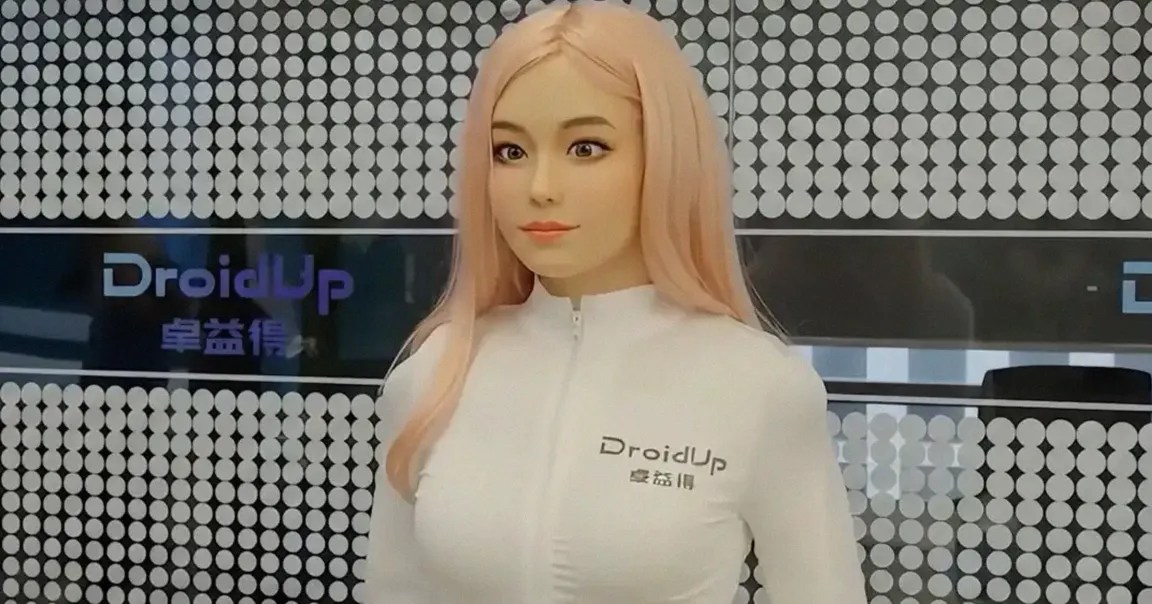
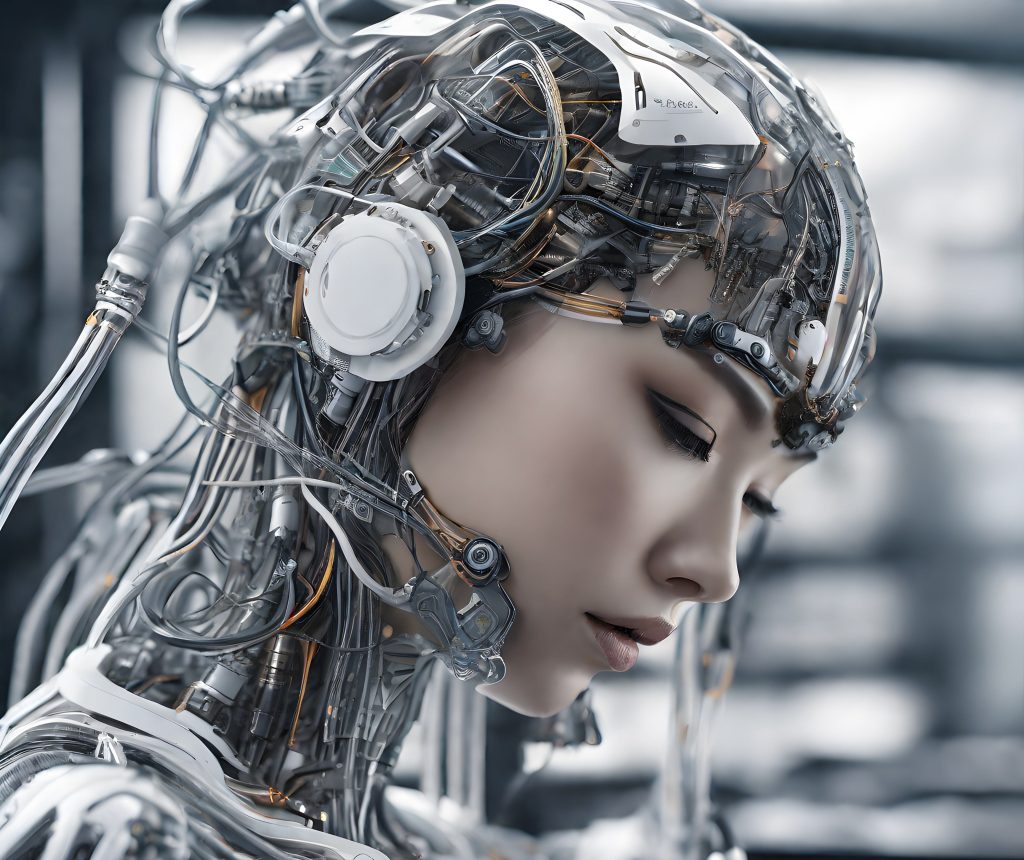
- China’s humanoid robots. The US is falling behind in the robot races and I don’t know if I’m relieved or worried. More than half of all robotics companies are in China, and in the past several years China has overtaken the US in humanoid production. Last week, Shanghai-based DroidUP announced a new humanoid robot with a human-like face and expressions, featuring (of all things) warm skin that can stay around 89 to 96 degrees. A tad creepy, if you ask me.
Something Old:
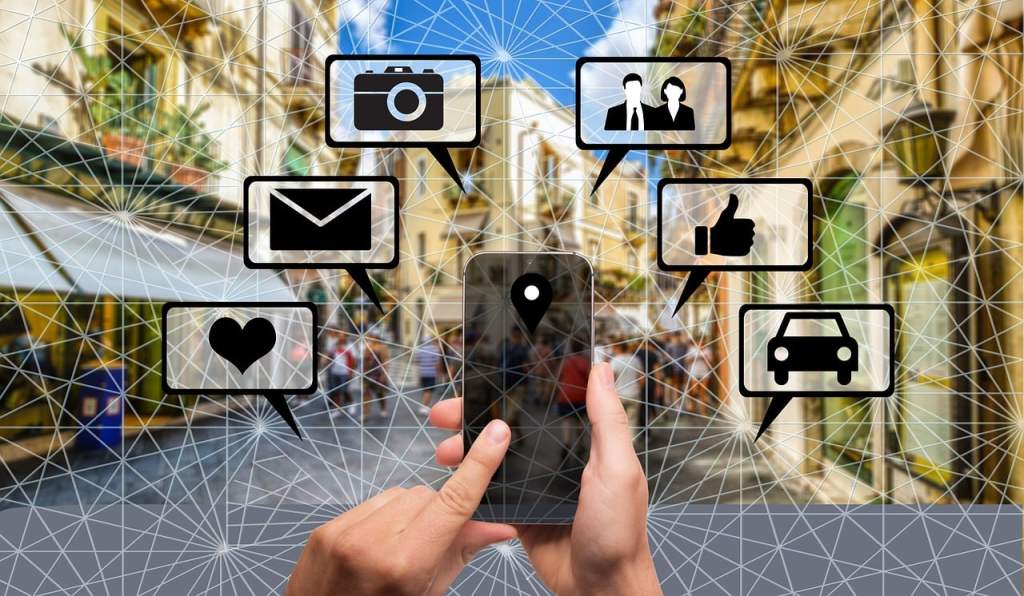
- Being unavailable. This is the first time in history when we can reach people instantaneously. Gone are the days of busy signals and landlines being “off the hook.” Want to disappear for a while? Good luck. This sometimes has helpful applications–like investigators tracking missing people (such as evaluating Nancy Guthrie’s pacemaker signal through the app on her phone). Digital availability doesn’t have to be all that bad, right? Unless of course you want to evade a stalker, a corrupt government, or your employer. Pros and cons, I suppose.
Something Inspiring:
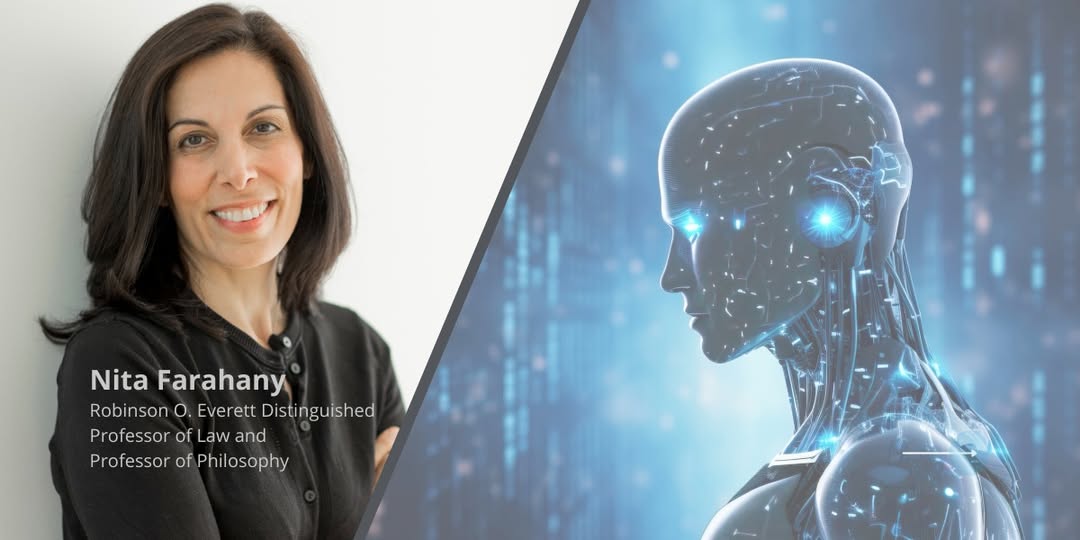
- Neurotech laws. Mind-reading tech is the stuff of sci-fi nightmares. Fortunately, there are some really smart people working to make neurotech safer. One such person is ethicist and lawyer Nita Farahany, whose book The Battle for Your Brain offers an in-depth analysis of current neurotech and its threat to cognitive liberty. Her work contributes to a global discussion about keeping our thoughts private. Anticipating future neurotech, some US states and other countries have even adopted cognitive privacy laws. Humans protecting human rights? A good thing.
Okay, that’s it for now. Join me here next week for more.

 Anna L. Davis
Leave a comment